
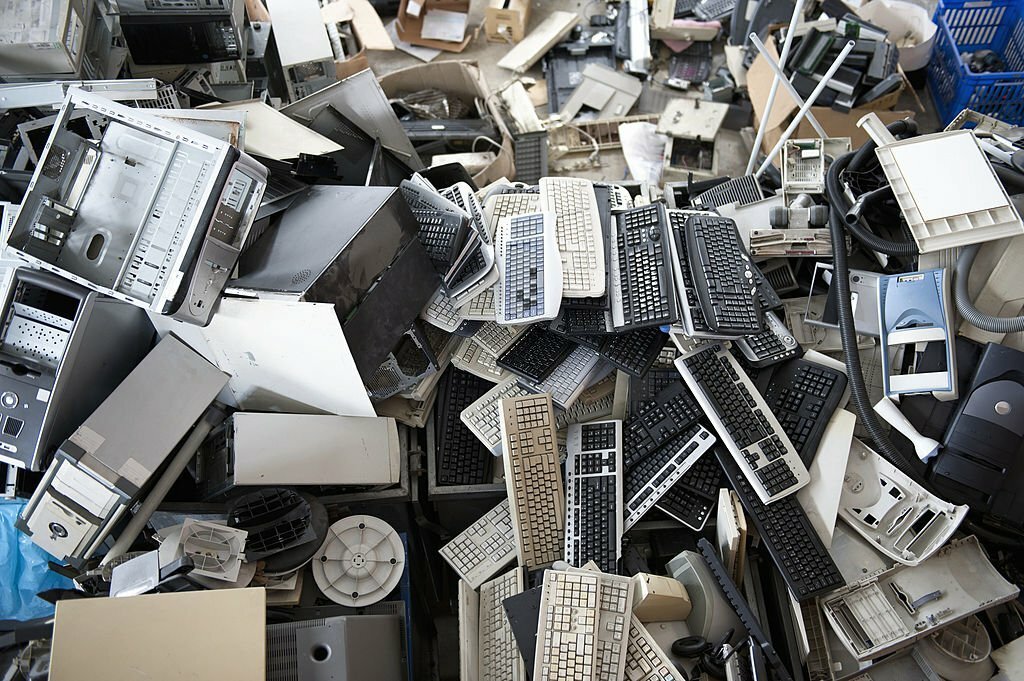
In today’s technology driven world, electronic devices are essential to daily life. From smartphones and laptops to home appliances and networking systems, these devices make work and communication more efficient. However, rapid technological growth has also led to a serious environmental challenge electronic waste (e-waste).
Proper computer and electronics recycling in Albuquerque is now more important than ever to protect the environment, conserve resources, and ensure safe disposal of hazardous materials.
What Is Electronic Waste (E-Waste)?
E-waste refers to discarded electronic devices that are no longer in use, functional, or needed. Based on industry experience in recycling operations, e-waste is typically divided into three major categories:
Consumer Electronics
This includes everyday devices such as smartphones, tablets, laptops and gaming consoles.
IT and Networking Equipment
Servers, routers, printers, and data storage devices fall under this category and often contain sensitive components.
Household Appliances
Large appliances like refrigerators, microwaves and washing machines also contribute significantly to electronic waste streams.
Environmental Impact of Improper E-Waste Disposal
Improper disposal of electronics can cause long-term environmental damage. Many devices contain toxic materials such as lead, mercury and cadmium, which can leak into soil and groundwater.
From professional recycling experience, the most common environmental risks include:
- Soil contamination
- Water pollution
- Air pollution from burning e-waste
- Long-term ecosystem damage
Responsible recycling helps prevent these hazards and supports a cleaner, safer environment.
Why Computer and Electronics Recycling in Albuquerque Matters
Albuquerque continues to see a steady increase in electronic waste due to population growth and rapid device upgrades. Without proper recycling systems, much of this waste ends up in landfills.
Key Reasons Recycling Is Essential
- Reduces landfill overflow
- Prevents toxic environmental exposure
- Supports sustainable waste management
- Encourages responsible consumer behavior
Local initiatives and environmental programs in Albuquerque are actively promoting safe disposal practices to address this growing issue.
Benefits of Electronics Recycling
Environmental Protection
Recycling reduces the need for raw material extraction, helping preserve natural ecosystems.
Resource Recovery
Electronics contain valuable materials such as gold, copper and aluminum. Recycling allows these materials to be recovered and reused efficiently.
Data Security
Professional recycling ensures secure data destruction, protecting sensitive personal and business information from misuse.
The Electronics Recycling Process
Based on industry-standard recycling practices, the process typically involves the following stages
Collection and Transportation
Discarded electronics are collected through drop-off points or pickup services and transported to certified recycling facilities.
Sorting and Disassembly
Devices are carefully separated by type and dismantled by trained technicians to recover reusable components.
Material Recovery
Advanced recycling technologies extract metals, plastics, and electronic components for reuse in manufacturing.
Electronics Recycling Centers in Albuquerque
Albuquerque offers multiple recycling options for residents and businesses.
What to Expect
- Designated drop-off locations
- Scheduled pickup services in select areas
- Environmentally compliant processing facilities
Accepted Items Often Include
- Computers and laptops
- Mobile phones and tablets
- Printers and accessories
- Household electronic devices
Some centers may have restrictions on damaged batteries or hazardous components, so checking guidelines before drop-off is recommended.
Challenges in Electronics Recycling
Lack of Awareness
Many residents are still unaware of how harmful improper disposal can be. Education remains a key factor in improving recycling rates.
Rapid Technology Turnover
Frequent upgrades lead to faster disposal of devices, increasing overall e-waste volume.
Regulatory Compliance
Following state and federal recycling regulations can be complex, especially for businesses handling large volumes of electronics.
Environmental Benefits of Recycling Electronics
From a sustainability perspective, proper recycling provides measurable environmental improvements:
- Reduction in greenhouse gas emissions
- Decreased mining and resource extraction
- Lower energy consumption in manufacturing
- Reduced landfill dependency
These benefits contribute directly to long-term environmental protection efforts in Albuquerque.
Future of Electronics Recycling in Albuquerque
The future of computer and electronics recycling in Albuquerque is moving toward smarter and more sustainable systems.
Emerging Trends
- Automated sorting technologies
- Improved material recovery systems
- Growth of circular economy practices
- Increased focus on product lifecycle extension
The shift toward a circular economy encourages repairing, reusing, and recycling instead of discarding electronics.
Conclusion
Computer and electronics recycling in Albuquerque is no longer optional it is a necessary step toward environmental responsibility and sustainable living.
By properly recycling electronic devices, residents and businesses can reduce pollution, recover valuable resources, and protect sensitive data. More importantly, collective participation in recycling efforts ensures a cleaner and healthier future for the community.
As technology continues to evolve, responsible recycling practices will play a vital role in shaping a sustainable Albuquerque. Every recycled device contributes to a greener planet and a more efficient use of resources.