
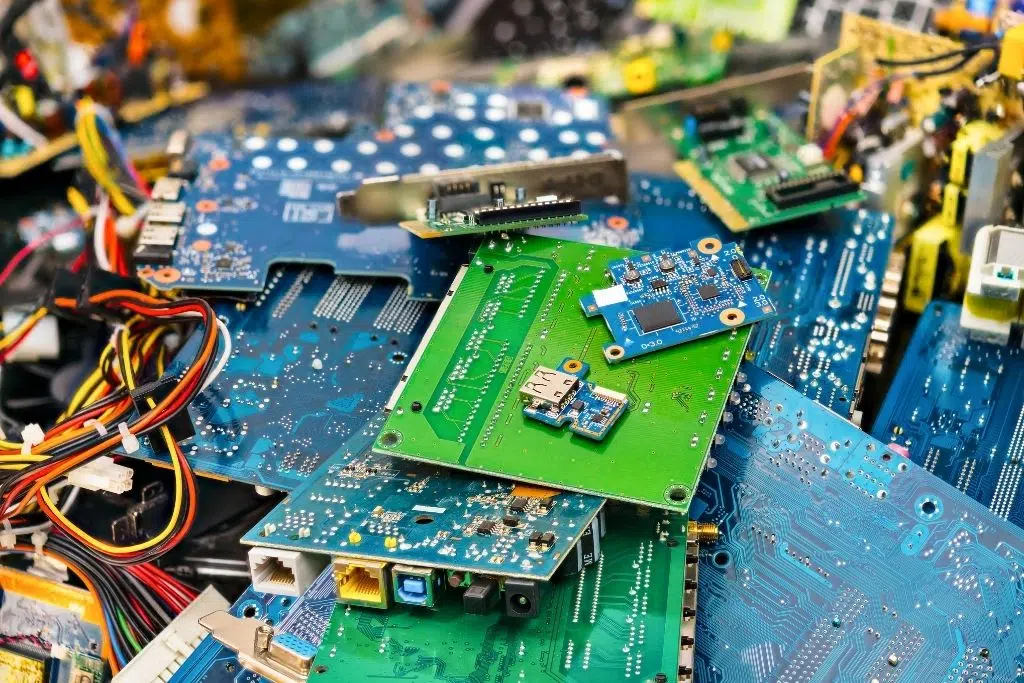
Rapid growth in the digital world has increased electronic waste, or e-waste. This includes discarded devices like laptops, phones, and TVs. Proper disposal is key for safety, health, and the environment. Before learning the benefits, it helps to understand how e-waste recycling works. We also need to explore what can go wrong without recycling.
Understanding E-Waste
E-waste includes used and broken electronics and their parts. Many of these devices contain harmful materials like lead, mercury, and cadmium. If not handled correctly, these substances can cause serious harm. E-waste also holds valuable materials like gold, silver, and copper. These metals can be reused, making recycling smart and useful.
Environmental Impact of Wrong Disposal
If not disposed of properly, e-waste can badly hurt the environment. When dumped in landfills, toxic chemicals seep into soil and water. This harms wildlife and affects the global ecosystem. Burning e-waste releases toxic fumes, adding to air pollution and climate problems.
Soil and Water Pollution
One major issue is soil and water pollution. Dangerous chemicals like lead and mercury leak into the ground. They eventually reach water supplies and pose risks to people and animals. Proper recycling helps keep these toxins out of nature.
Air Pollution
In some places, burning e-waste is still common. This releases toxic smoke into the air. Nearby communities suffer breathing problems and other health issues. Recycling stops this and handles waste in a cleaner, safer way.
Health Dangers
E-waste doesn’t just harm the earth; it can hurt people too. Toxic substances from electronics can cause nerve damage, breathing issues, and even cancer. Kids and pregnant women are at higher risk.
Direct Exposure
People who work in informal recycling are often exposed directly. They break apart electronics without safety gear. This leads to serious health problems. Safe recycling reduces direct contact with these harmful items.
Indirect Exposure
Even if you’re not near a recycling site, you can still be at risk. Polluted soil and water enter the food chain. That means people far from waste sites can also be affected.
What Is the E-Waste Recycling Process?
Recycling e-waste involves several key steps. These help recover useful materials and remove harmful ones. It starts with collecting and moving waste to proper facilities.
Collection and Transportation
First, old devices are collected. These are taken to centers built for recycling. A good collection system is needed for this to work.
Dismantling and Sorting
At the center, workers take devices apart by hand. They sort batteries, circuit boards, plastics, and other parts. This helps recover more material and lowers the harm to nature.
Mechanical Processing
Machines then break parts into smaller pieces. These pieces are sorted based on size, weight, and material type. This step helps separate useful items from waste.
Chemical Processing
Some metals need chemicals to separate them from other parts. These are cleaned and reused in new products. This step helps recover metals like gold and copper.
Benefits of Proper E-Waste Recycling
Recycling gives many rewards. It saves materials, protects nature, and creates jobs. By recycling, we reduce mining and lower damage to the planet.
Resource Conservation
Recycling saves valuable resources. We use less raw material and avoid mining. This lowers pollution and saves energy. It also helps reduce our carbon footprint.
Economic Benefits
Recycling creates jobs in many areas. Collection, processing, and sales all offer income. In growing countries, this supports safe jobs and better recycling systems.
Reducing Landfill Waste
Proper recycling keeps e-waste out of landfills. This lowers pollution and saves space. It also helps manage waste better and extends landfill life.
Challenges in E-Waste Recycling
Even with many benefits, e-waste recycling still faces several serious challenges worldwide.
Lack of Awareness
Many people don’t know the correct way to dispose of e-waste. This leads to the wrong handling of digital devices and harmful effects on the environment. Without proper recycling, dangerous substances leak into soil and water, harming people and animals. Public education is key. It helps people understand safe disposal and why it matters. By teaching the public, we protect nature and improve health for everyone.
Inadequate Infrastructure
Many places don’t have proper tools or systems for e-waste recycling. They lack collection centers, processing plants, and clear laws. This makes it hard to manage waste safely and effectively. Building better systems is vital to handle growing amounts of electronic waste. Governments must invest in equipment and rules to support recycling. Better infrastructure leads to better results in managing waste the right way.
Illegal Trade
E-waste is often shipped to developing nations through illegal channels. In these areas, people recycle waste in unsafe and informal ways. This causes pollution and puts workers’ health at risk. To stop this, strong rules and better enforcement are needed. Legal trade and safe recycling must be the standard worldwide.
Is Your Home Cluttered with Unwanted Appliances?
Don’t let broken devices take up your space. Our Appliance Removal Services handle them responsibly. Whether it’s a fridge or an old phone, we take care of it. We make sure every item is recycled the right way. Get in touch and help make your home greener.
Read: Yard Cleanup Help to Improve the Health
Conclusion
Proper e-waste disposal protects the environment and improves human health. It also saves valuable materials from being wasted. The e-waste recycling process includes clear steps that help recover and reuse useful resources. These steps also ensure harmful items are handled correctly and safely. Even with challenges, the benefits of proper e-waste recycling are clear and strong. Recycling reduces the need to mine new materials and helps the earth heal. It also creates jobs and brings in money for local economies. To improve global e-waste efforts, we must spread awareness and build better systems. This ensures e-waste is managed in ways that protect both people and nature. Together, we can make our planet cleaner, safer, and more sustainable for the future.