
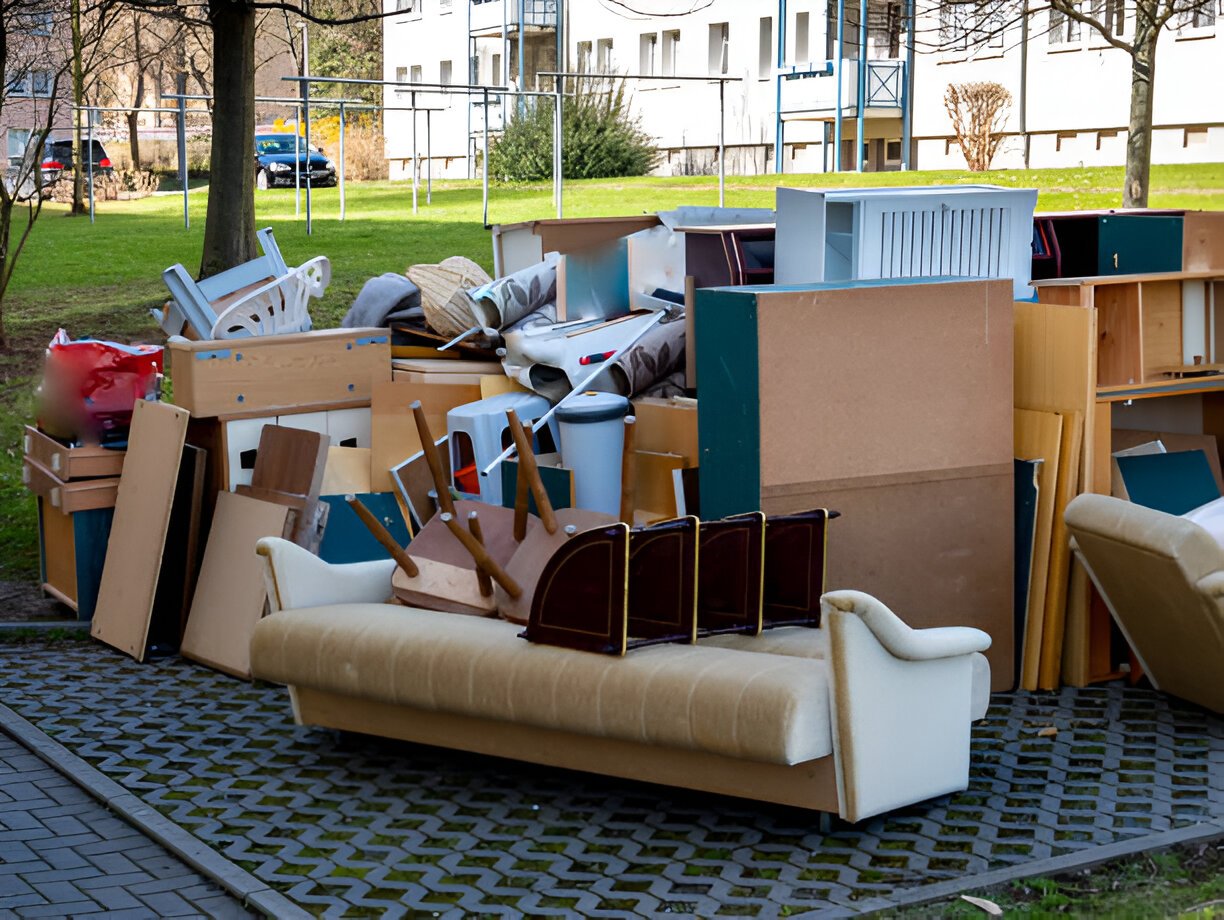
If you’ve managed rental properties for any length of time, you already know the feeling: a tenant moves out, and suddenly you’re staring at a sagging couch, three broken box fans, and a pile of mystery boxes left behind in the garage. Getting that unit cleaned out and back on the market quickly isn’t just about appearances — it directly affects your bottom line.
Here’s everything you need to know about handling junk removal the right way.
Why Junk Removal Is a Core Part of Property Management
Most landlords think of junk removal as a last-minute task. In reality, it’s one of the highest-leverage activities in your entire turnover process.
A unit that sits vacant costs you money every single day. The faster you can clear it out, deep clean it, and get it back on the market, the better. Beyond the financial side, a cluttered or poorly maintained property sends a clear signal to prospective tenants — and not a good one.
There are other practical reasons to stay on top of it too. Old furniture and accumulated debris can hide water damage, mold, or pest activity. A quick junk removal job can surface problems that would otherwise quietly get worse and cost far more to fix later.
Clean, well-maintained units also tend to command higher rents. Tenants notice when a landlord takes care of their property.
The Most Common Scenarios Landlords Face
After years of managing rental units, certain junk removal situations come up again and again:
Move-out cleanouts are the most frequent. Even well-meaning tenants leave things behind — furniture too heavy to move, old appliances, bags of clothes they meant to donate. It adds up fast.
Eviction cleanups are a different beast entirely. These often involve more volume, more unpredictability, and sometimes items that require careful handling or documentation before disposal.
Renovation debris piles up quickly during property upgrades. Drywall scraps, old fixtures, flooring materials — it’s not the kind of thing you can toss in a regular trash bin.
Seasonal clearing — yard waste, holiday decorations left in common areas, patio furniture that’s seen better days — is easy to overlook but important for curb appeal.
Hiring a Professional vs. Doing It Yourself
A lot of landlords try to handle junk removal themselves, at least the first few times. Here’s an honest breakdown of how that usually goes:
| DIY | Professional Service | |
|---|---|---|
| Time | Several hours to a full day | Usually 1–3 hours |
| Physical effort | High — especially for appliances and furniture | Minimal on your end |
| Disposal fees | Variable, often unexpected | Typically included |
| Equipment | You’ll need to rent or borrow a truck | Brought by the crew |
| Eco-friendly disposal | Depends on your effort | Built into reputable services |
The hidden cost of DIY is time. If your hourly rate as a landlord or property manager is worth anything, spending six hours hauling furniture rarely makes financial sense — especially when a professional crew can clear the same unit in a fraction of the time.
That said, for very small cleanouts between reliable tenants, a DIY approach can work. It’s the bigger jobs — evictions, full-unit cleanouts, renovation debris — where professional services earn their keep.
What to Look for When Choosing a Junk Removal Company
Not all junk removal services are created equal. Here’s what actually matters when you’re vetting a company:
Experience with rental properties specifically. A crew that regularly works with landlords and property managers understands the pace, the sensitivity (especially around tenant belongings), and the expectations involved. Ask directly whether they work with landlords.
Clear, upfront pricing. Hidden fees are common in this industry. Get a written estimate before any work begins, and ask what happens if the load turns out to be larger than expected.
Licensing and insurance. If a crew member gets injured on your property, you want to make sure their company carries liability coverage. Don’t skip this step.
Responsible disposal. Ask what happens to the items they haul away. Reputable companies donate usable furniture, recycle what they can, and follow local disposal regulations. This matters both ethically and legally.
Reviews from property owners. General customer reviews are fine, but look specifically for feedback from landlords or property managers — they’ll give you the most relevant picture of how the company performs in your situation.
How Timely Junk Removal Affects Your Business
Delays have a cascading effect that most landlords underestimate until it happens to them.
An uncleaned unit can’t be photographed. It can’t be shown. It can’t be leased. Every day it sits with leftover junk is a day of lost rental income.
Beyond revenue, there are health and safety concerns. Accumulated waste attracts pests. Moisture trapped under old furniture encourages mold. What starts as a minor inconvenience can become a significant repair — and in the worst cases, a liability.
Your reputation is also on the line. Tenants talk, and reviews on platforms like Google or Zillow increasingly influence whether prospective renters even schedule a showing. A history of slow, poorly maintained turnovers will follow you.
Services Worth Combining with Junk Removal
If you’re already coordinating a cleanout, it’s usually worth stacking related services at the same time. Doing them together saves scheduling headaches and often reduces total cost.
Consider pairing junk removal with a deep clean, minor repairs (touch-up paint, caulking, door hardware), yard cleanup if the unit has outdoor space, and a pest inspection — especially if the previous tenant left significant debris behind.
Some property management companies offer bundled turnover packages. If yours does, the convenience is often worth the slightly higher price.
The Bottom Line
Junk removal isn’t glamorous, but it’s one of the most practical investments you can make in keeping your rental business running smoothly. The landlords who handle it efficiently — with a reliable professional service and a consistent process — spend less time stressed about vacant units and more time focused on growing their portfolio.
If you’re ready to take the guesswork out of your next cleanout, reach out to our team. We work with rental property owners regularly and know how to move fast, work carefully, and get your unit back on the market as quickly as possible.
Book your cleanout today and cross one major task off your list.