
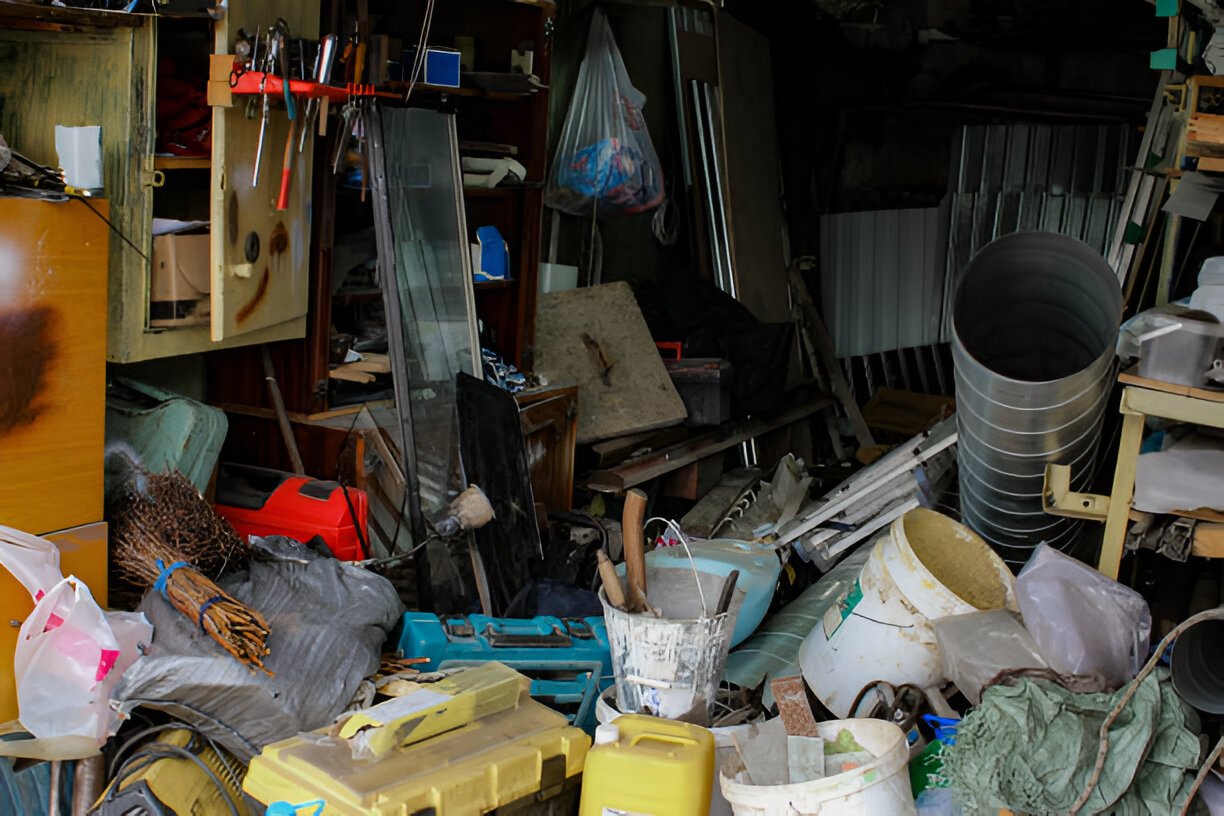
Hoarder cleanup is not just about removing clutter it is about restoring safe & healthy, dignity and emotional balance in a home. In the United States, millions of people live with hoarding disorder, a complex psychological condition often linked to anxiety, depression, trauma, or obsessive-compulsive tendencies. Because of this, cleaning a hoarded home requires patience, structure, and a compassionate, professional approach rather than forceful or rushed action.
This guide explains how to handle hoarder cleanup effectively while maintaining both physical safety and emotional well-being.
Understanding Hoarding as a Mental Health Condition
Hoarding disorder goes far beyond ordinary messiness. Individuals often form deep emotional attachments to belongings, making it extremely difficult to discard even unnecessary items. Over time, this leads to overcrowded living spaces, blocked exits, fire hazards, pest infestations, and unsanitary conditions.
From professional experience, one of the biggest mistakes families make is attempting a cleanup without understanding the emotional resistance involved. Shame, anxiety, and fear of loss are common reactions. Recognizing hoarding as a mental health condition, not a lifestyle choice, is the first step toward a safe & healthy intervention and successful recovery process.
Build Awareness and Set Realistic Expectations
Before beginning any cleanup, it is important to understand that hoarder recovery is a gradual process. A single cleaning session will not solve the issue permanently.
Set realistic expectations such as:
Progress happens in stages, not overnight focus on a safe & healthy approach
Emotional resistance is normal
Relapse can occur and should be handled calmly
Safety always comes before speed
A respectful and informed mindset reduces conflict and increases cooperation.n.
Assemble a Support and Cleanup Team
Handling hoarder cleanup alone can be physically and emotionally overwhelming. A structured team approach is far more effective.
An ideal support team includes:
- Mental health professionals (especially those trained in Cognitive Behavioral Therapy or CBT)
- Professional decluttering or cleanup specialists experienced in hoarding environments
- Hazardous waste experts for biohazards, mold, or chemical removal
- Family and trusted friends for emotional and physical support
- The affected individual, whenever possible, to encourage participation and control
From experience, homes with severe hoarding conditions improve safe & healthy faster when professionals manage the physical cleanup while therapists support emotional recovery.
Create a Structured Cleanup Plan
A written plan is essential for managing large-scale hoarder cleanup. Without structure, the process becomes overwhelming and inconsistent.
A strong cleanup plan should include:
- Prioritizing health and safety hazards first
- Dividing the home into manageable zones or rooms
- Setting realistic daily or weekly goals
- Assigning clear roles to each participant
- Preparing essential supplies (gloves, masks, bins, labels)
- Creating donation, trash, and keep categories
Professionals often recommend starting with one small area to build momentum and reduce emotional stress.
Communicate with Empathy and Respect
Communication is one of the most important elements in hoarder cleanup. Sudden removal of items without consent can lead to distress and loss of trust.
Best practices include:
- Discussing the plan openly before starting
- Explaining that the goal is safe & health improved living conditions
- Allowing the individual to make decisions when possible
- Respecting emotionally significant items
- Moving at a pace they can tolerate
In professional hoarding interventions, empathy consistently leads to better long-term outcomes than forceful cleanup.
Sort Items Systematically
Once cleanup begins, organization is key.
Effective sorting method:
- Start with visible safety hazards (blocked exits, food waste, sharp objects)
- Work in small zones instead of entire rooms at once
- Categorize items into trash, donate, keep, and unsure
- Begin with easy decisions to reduce emotional pressure
- Take breaks regularly to avoid fatigue and frustration
- Photograph sentimental items before discarding if helpful
A structured approach prevents chaos and reduces emotional overwhelm.
Dispose of Items Responsibly
Proper disposal is a critical legal and environmental requirement.
Items must be handled according to category:
- Regular waste: disposed through approved waste services
- Donations: sent to charities or reuse centers
- Hazardous materials: handled by licensed disposal services
- Valuable items: stored or sold responsibly
Experienced cleanup teams often coordinate with waste removal companies to ensure compliance with local environmental regulations and safety laws.
Maintain Long-Term Support and Prevention
Hoarder cleanup does not end when the clutter is removed. Long-term support is essential to prevent relapse.
Ongoing strategies include:
- Continued therapy or counseling sessions
- Establishing daily cleaning and organization habits
- Regular home maintenance checks
- Encouraging mindful purchasing habits
- Joining support groups for accountability
- Celebrating small progress milestones
From real-world experience, homes remain cleaner longer when emotional support continues after the initial cleanup.
Final Thoughts
Hoarder cleanup is a sensitive process that requires more than physical labor it requires empathy, structure, and professional guidance. When handled correctly, it can transform unsafe living conditions for safe & healthy home environment.
Whether you are supporting a loved one or managing a severe situation, progress begins with understanding and patience. With the right team and approach, recovery is absolutely possible, and a safer, more peaceful home can be restored.