
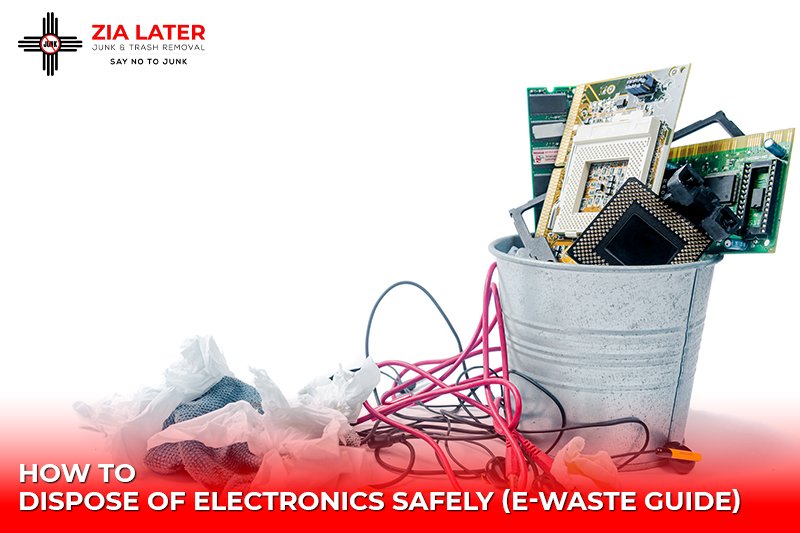
When unused electronics gather around the house, many people feel unsure about their next steps. Alex had shelves filled with broken laptops and cables that had not worked in years. One weekend, he chose to clean everything out and then faced a big question. He needed to know how to dispose of electronics without breaking any rules or hurting the planet. Every household deals with this problem, so let’s look at an easy way to handle electronic waste disposal today.
What Is Electronic Waste and Why Does It Matter
When old electronics start building up at home, many people feel confused about what to do. Alex had a closet full of broken laptops and tangled wires that no longer worked. These items may release unsafe materials into land or water if not properly handled. Small parts such as wires and batteries can add to long-term harm. This is why proper disposal protects homes and nature as a whole.
Prepare Your Electronics for Recycling
Start your plan by getting all devices ready to be handled in the correct way. Always remove personal data before you give away or throw out any device. You can apply free online tools or ask someone you trust to help clear the data. Also, remove all batteries and sort out any wires or small parts into safe bags. These easy steps protect others and prevent damage during the recycling process. Responsible electronics disposal always starts at home with careful action.
Where to Recycle Electronics Without Stress
Let us discuss simple ways to recycle electronics. Throwing a phone into the rubbish may seem easy, but it can cause lasting harm. Many local areas provide collection days or drop-off sites for used electronics from homes. Big stores like Best Buy or Staples accept gadgets and offer old electronics recycling services daily. You can also visit city websites or contact e-waste junk removal teams who offer pickup directly from your home.
How to Recycle Electronics at Home
You can now recycle electronics from your home using mail-back programs that provide shipping labels. These services give prepaid labels for phones and even small chargers. Just pack your items carefully and send them to approved centers for processing. This method is easy and works well for busy people or small homes. You may also give working items to schools or groups that reuse them. Learning how to recycle electronics helps protect others and cut waste.
Know the Costs and Local Rules
Most people do not know that placing electronics in the trash can bring fines or warnings. Many states and towns have rules for how to get rid of electronics in a safe way. Ignoring these laws could cost you money or harm your area. Rules change depending on where you live, so always check your town’s site first. Use trusted recycling points and avoid placing electronics in normal trash bins.
Read: Best Disposal & Recycling Options
Environmental Benefits of Recycling Electronics
Recycling electronics helps save nature and lowers the need for new resources. It recovers metals, reducing mining and waste. E-waste recycling also helps stop chemicals from leaking into the ground. Even small devices or cords add to the problem if not recycled. Choosing the right steps helps you support clean air and a safer world.
Local Examples That Inspire Action
Jordan, a school teacher in Denver, wanted her students to see how small steps matter. She launched a project where families sent used electronics to school for collection. In a few short weeks, students filled bins with phones, chargers, and other old items. The local paper praised their effort, and more families got involved quickly. You can also lead efforts to get rid of old electronics where you live and inspire change.
How to Choose a Reliable Recycling Service
Not every recycling team follows safe rules, so be sure to check carefully before picking one. Find a team that tells you where your items go and how they are treated. Good teams share updates or offer simple reports you can understand. Look at reviews and ask questions before trusting any group with your items. You can use an electronics recycling guide to compare and choose the best options nearby.
Explore Donation or Second Use Before Disposal
Some electronics still work fine and could help someone who cannot buy new ones. Think about donating to a center, school, or senior group that uses basic tools. Older people may like simple phones that still work for calls and texts. You can also sell working items online or at local events. Selling or giving helps reduce waste and keeps gear out of landfills longer.
Final Steps Before You Recycle
Before recycling or giving away electronics, go through a few simple steps to stay safe. Clear out any saved files, take out batteries, and wrap up wires or parts. Put items in boxes that can handle shipping and will not fall apart. Read local guides for extra rules or details you should know ahead of time. Also, stay updated on how to dispose of electronics by checking town or state programs often.
Start Today with Small but Effective Changes
Do you have a box or drawer full of old phones and tangled cords at home? Use the weekend to sort through everything and pick out items you don’t use. Take them to a trusted recycling site or use return-by-mail services that are free. Some stores accept used gadgets and recycle them as part of a public service. These easy moves protect your area and lower the waste you produce. If unsure where to start, check an electronics recycling guide for quick help.
Extra Caution with Electronic Sensors
Some modern devices and tools rely on sensors that can fail over time and cause problems. Items like air purifiers, kitchen equipment, and even some heating units have basic sensors. If these sensors stop working, the device may stop too, or show wrong readings. For example, if a machine overheats often, it may be due to a sensor issue like the engine coolant temperature sensor in vehicles. In such cases, knowing what to do if your car is running hot or how to check simple parts is useful. You can learn how ot fix car running hot issues by speaking with a repair expert. Though not home gadgets, this reminds us that electronic parts matter and deserve safe care.
Take the First Step Today
Ready to make a difference with your electronics? Gather your unused devices this weekend and take action. Drop them at a recycling center, schedule a pickup, or use a mail-in option. Your small effort today creates a cleaner and smarter world tomorrow. Let your next action be the start of lasting change.
Conclusion
This guide shared easy and clear steps to help you manage used electronics wisely. Now you understand how to dispose of electronics in ways that are safe and legal for all. Each action you take keeps waste lower and helps others think about smarter habits. Share what you’ve learned with neighbors or friends who want to improve their homes. Stay informed and guide others with kind choices that help the planet stay clean.