
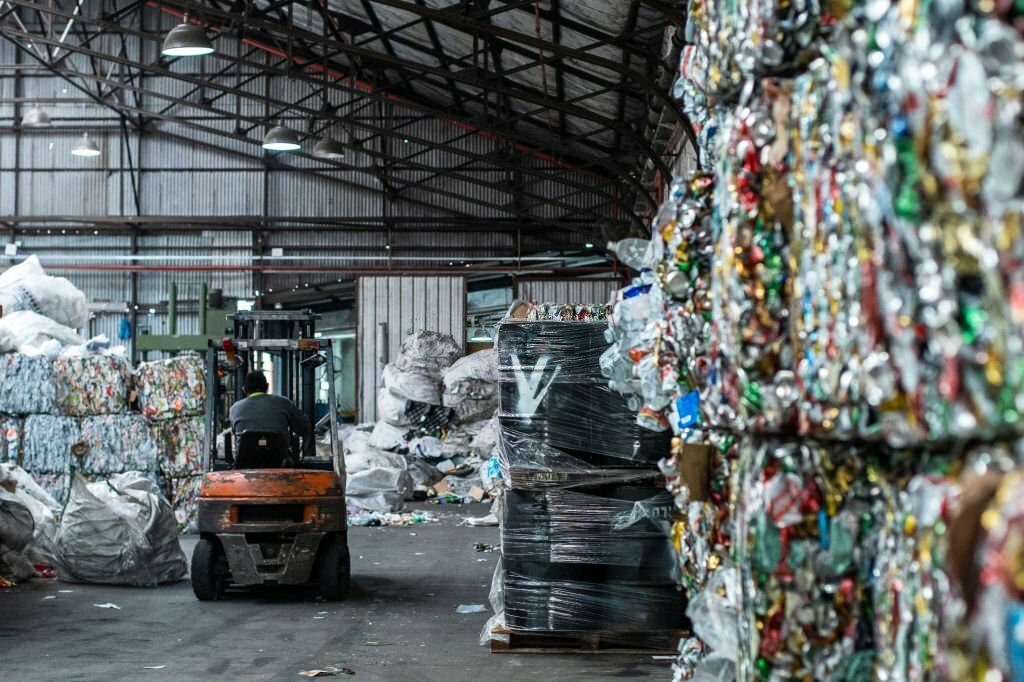
New Mexico works hard to protect the Earth. Recycling plays a key part in this goal. The process collects used goods and turns them into fresh items. This helps reduce stress on nature and avoids waste. By using smart methods, the state turns trash into value. It keeps the land clean and saves resources for the next generation.
Importance of Safe Recycling Centers
Safe centers help protect both people and nature. These sites support clean waste habits and care for workers, too. Well-built recycling spots cut risks. They also make sure that both health and nature stay safe. By using clean tools and expert staff, these centers reduce risks. They help prevent fire, leaks, and health problems.
Regulatory Landscape
Environmental Regulations
New Mexico enforces clear green rules. These rules guide how centers treat trash and use tools.
The focus is on clean air, safe soil, and less waste. These rules help protect the land and people who live nearby. Each center must meet rules about smoke, water use, and storage. These rules help reduce damage to nature.
Safety Standards for Recycling Centers
Centers follow rules to stay safe. These include gear use, waste steps, and staff training. Each site uses signs and clear paths to avoid harm. Sharp items and toxic waste are stored with care. Staff must wear masks, gloves, and boots. These steps help cut risk and keep people safe daily.
Compliance and Monitoring
To meet all rules, checks are often done. These checks look for leaks, mess, or unsafe gear. If rules are missed, centers must fix it fast. Repeat checks ensure that standards stay strong. Keeping up with rules means less harm and more trust. Good centers pass each check with care.
Location and Infrastructure
Geographic Distribution of Recycling Centers
Centers are spread across the state. This helps people find one near them. The plan is to cut trips, which saves gas. Less travel also means less smoke in the air. When people find spots close by, they recycle more. Easy access means more trash stays out of dumps.
Facility Infrastructure and Design
These centers use new tools and smart layouts. This helps sort and treat waste faster. Flat floors, wide doors, and strong belts help speed up the work. Gear is safe and built to last. New tools help cut power use. Sites also use rain tanks and solar gear to go green.
Accessibility and Community Impact
These sites are near homes, schools, and shops. This helps people drop off items fast. Some centers offer help for the old or those without cars. This support lifts recycling rates. When recycling is easy, towns stay clean. More people feel proud to help the Earth.
Types of Recyclables Handled
Paper and Cardboard Recycling
These sites use a lot of paper. That includes books, boxes, and more. Used paper is sorted, pressed, and sent to firms. They turn it into new paper or cartons. This keeps trash out of the ground and trees safe from cuts.
Plastic Recycling
Plastic takes years to break down. These sites work to stop that harm. Bottles, bags, and wraps are cleaned and sorted. Then, they melt or cut them for reuse. Plastic waste drops when more people use these centers often.
Metal and Glass Recycling
Used metal and glass have great value. These items can be reused without much change. Cans, jars, wires, and foil are cleaned and reshaped. The process saves both fuel and cash. Less mining and fewer raw cuts mean less harm to our earth.
Electronic Waste Handling
Old phones, TVs, and wires can harm the soil. These sites treat e-waste with care. They remove parts like wires, chips, and screens. These parts are cleaned and used again. Toxic bits are locked and sent to expert firms for safe steps.
Technology Integration
Innovations in Recycling Technology
New tools change how sites work. Some tools now sort by color or shape. Infrared beams scan waste for fast sort. This speeds up the full process. Smart tools help lower costs and raise the rate of reuse.
Automation for Efficient Sorting
Auto tools do jobs faster and with fewer errors. Arms pick and sort fast. This means staff can focus on gear care and hard tasks. Machines work with speed and care. Each part goes to the right bin, making reuse cleaner.
Environmental Impact of Recycling Technologies
Smart tools use less fuel and give off less smoke. Some run on solar power. Firms now use air filters and water tanks. These lower waste and save costs. All steps help make the center greener and safer.
Challenges and Solutions
Common Challenges in Recycling Centers
Some trash gets mixed with food or dirt. This ruins whole loads. Low prices for reused goods can hurt firms. People also forget to sort. Fixing these needs requires smart plans and help from local groups.
Innovative Solutions in the Industry
Some places teach users how to sort better. Others use robots to help. More firms now talk to schools and groups. They show how to recycle the right way. Online tips, signs, and talks help spread the word.
Overcoming Economic Barriers
Gear costs and price drops can slow growth. But smart plans help fix this. Firms use grants and team up with other groups. This helps cut costs and boost trust. Long-term plans and public support make a big impact.
Future Trends
Emerging Technologies in Recycling
New tools like AI and 3D sorters are on the rise. They help scan waste fast. Laser-based tech and smart bins help reduce errors. Some tools even track waste flow. These tools shape the next age of clean waste steps.
Policy Changes and Future Regulations
New rules will shape how sites work. Firms must stay alert and ready. Green goals may shift, but smart firms adjust fast. They stay one step ahead. Rules about e-waste and plastic may tighten in the years ahead.
Anticipated Developments in Recycling Centers
We’ll see more solar gear, smarter tools, and better roads. Sites will grow strong. More towns may build drop zones or offer home pickup. This will raise recycling even more. The goal is clear steps, safe gear, and less waste.
Environmental Benefits
Reduction of Landfill Waste
Each item reused means less land is filled with trash. This saves space and cuts the smell. Landfills also leak into the soil. Less trash means less harm. Recycling keeps our land green and clean.
Energy Savings through Recycling
Reuse needs less power than making new items. This helps cut fuel use. When firms reuse metal or glass, they skip the heavy steps. Less heat, less fuel, and fewer tools are needed.
Positive Impact on Air and Water Quality
Clean waste steps mean less smoke and fewer leaks. This helps the air stay fresh. Bad trash can leak into rivers. Safe sites stop this. Clean water and air help both people and wildlife thrive.
Read: Types of Metal Can Be Recycled
Final Thoughts
New Mexico’s centers are more than just waste sites. They are clean, strong, and vital. These centers follow clear rules and use smart tools. They serve the whole state with pride. Their layout and tools make recycling easy. People nearby can take part quickly. From paper to metal, from plastic to old wires, these centers treat it all. Thanks to these efforts, trash turns into value. The Earth gets cleaner, and the future looks bright.