
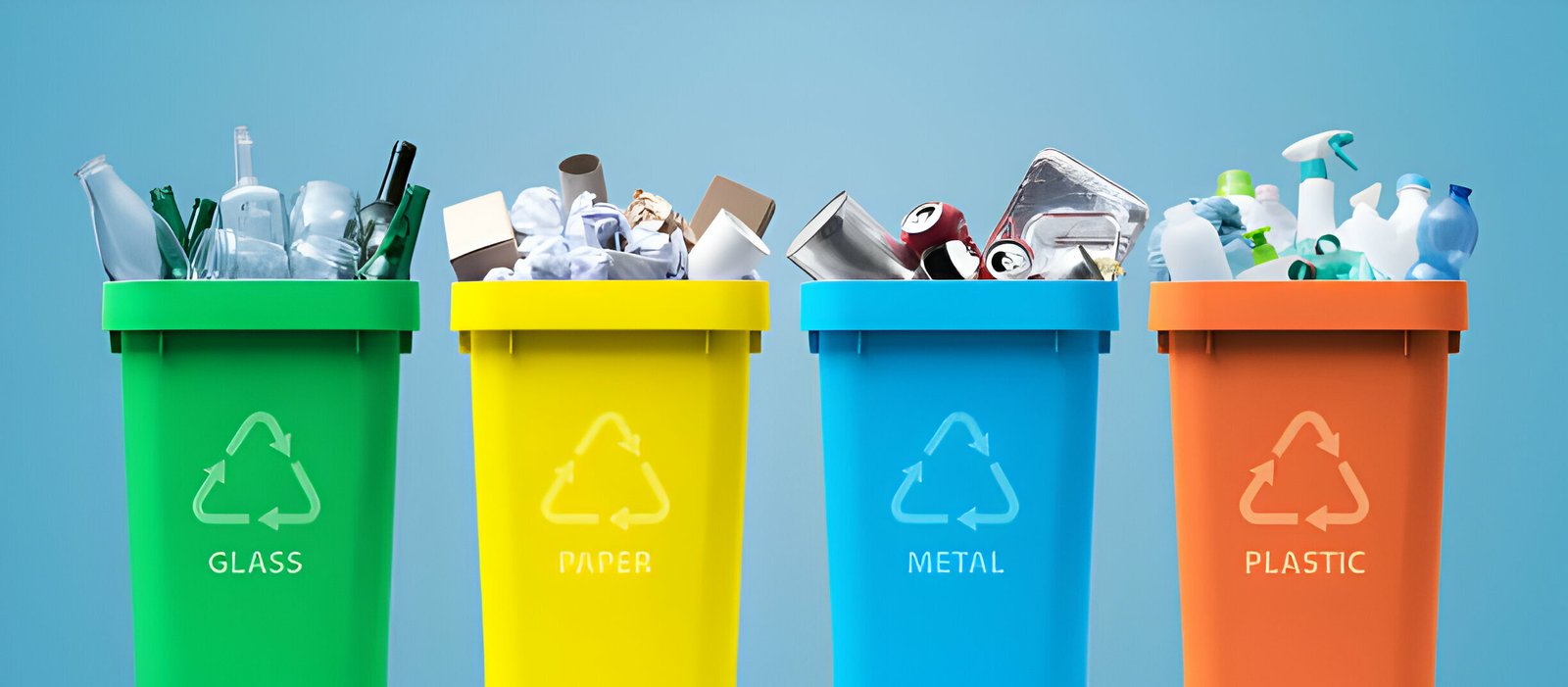
The increasing worldwide population leads to a rise in garbage production, creating notable environmental issues. Innovative trash disposal methods provide creative alternatives to handle and reduce the environmental consequences of garbage. This article will examine how advanced waste removal techniques support environmental preservation, sustainability, and resource conservation.
Understanding Advanced Waste Removal
Advanced waste removal involves utilizing contemporary methods and technology to handle garbage effectively while reducing environmental impact. The methods include recycling, composting, waste-to-energy conversion, and sophisticated treatment technologies. Advanced waste disposal seeks to minimize the use of landfills. Additionally, increases resource recovery using innovative methods, in contrast to standard landfill practices.
Recycling
- It is the act of gathering, categorizing, and treating resources including paper, plastic, glass, and metal to create new items.
- It materials preserves important resources, decreasing the demand for raw materials extraction and energy-intensive production processes.
- Recycling aids in reducing greenhouse gas emissions linked to landfilling and incineration, therefore supporting climate change mitigation endeavors.
Composting
- The composition is the organic breakdown of waste items including food scraps, yard trash, and paper products into nutrient-rich compost.
- It decreases the amount of trash going to landfills and creates a beneficial soil amendment. Additionally, that enhances soil health and fertility.
- Composition reduces methane emissions by removing organic waste from landfills, where methane is created during anaerobic decomposition.
Waste-to-Energy Conversion
- Waste-to-energy (WTE) technologies transform non-recyclable garbage into heat, power, or fuel using combustion, gasification, or pyrolysis methods.
- Garbage-to-energy plants produce renewable energy from garbage and decrease the amount of rubbish being disposed of in landfills.
- Garbage-to-energy systems utilize garbage to generate renewable energy. Additionally, decreasing dependence on fossil fuels, lowering greenhouse gas emissions, and addressing climate change.
Advanced Treatment Technologies
- Innovative waste management techniques including anaerobic digestion, mechanical-biological treatment (MBT), and thermal depolymerization are advanced waste removal methods.
- Anaerobic digestion breaks down organic waste in controlled environments to generate biogas, a sustainable energy source, and nutrient-dense digestate.
- MBT integrates mechanical sorting and biological treatment to extract recyclable items. Additionally, organic matter from mixed waste streams reduces landfill usage and optimizes resource retrieval.
- Thermal depolymerization transforms organic waste into bio-oil and gas. Additionally, solid wastes use high temperatures and pressures, providing an alternative to landfill disposal and fossil fuel extraction.
Benefits of Advanced Waste Disposal for the Environment
Resource Conservation
- Advanced waste removal technologies focus on resource recovery. Additionally, recycling minimizes the extraction of virgin materials and preserves natural resources.
- Advanced disposal services waste management reduce environmental damage. From resource extraction and processing by reusing materials and extracting energy from trash.
Pollution Prevention
- Conventional waste disposal techniques can result in air, water, and soil contamination. Such as landfilling and incineration, Which can endanger human health and ecosystems.
- Advanced waste removal methods like recycling and composting aid in pollution prevention by redirecting garbage away from landfills and decreasing greenhouse gas emissions.
Greenhouse Gas Emission Reduction
- Landfills are major contributors of methane, a powerful greenhouse gas with a substantial impact on global warming.
- Advanced waste removal systems, such as composting and anaerobic digestion, remove organic waste from landfills to minimize methane emissions and combat climate change.
Energy Recovery and Renewable Energy Generation
- Garbage-to-energy conversion systems utilize the energy from non-recyclable garbage to produce heat, electricity, or biofuels.
- Advanced waste removal systems help shift towards a low-carbon economy and decrease dependence on fossil fuels by generating renewable energy.
Sustainable Resource Management
- Advanced waste solutions supports sustainable resource management through a circular economy strategy that focuses on recycling, reusing, and repurposing resources to reduce waste and enhance resource efficiency.
- Advanced disposal and waste management help create a more sustainable and resilient society by effectively managing resource use and waste output.
Clean Up, Green Up, and Let Us Clear Your Yard Waste Woes Today!
Do you want to stop managing the accumulation of yard debris in your area? Allow us to take care of it on your behalf! Our skilled yard waste removal and yard debris services aim to simplify your life and enhance the cleanliness of your yard. Eliminate the inconvenience of yard cleanup and welcome a well-maintained outside area. Reach out to us immediately to book our service and restore your yard!
Conclusion
Advanced waste removal is essential for protecting the environment, ensuring sustainability, and conserving resources. Societies may reduce waste creation, and pollution, and address climate change by adopting recycling, composting, waste-to-energy conversion, and sophisticated treatment technologies. As we work towards a circular economy model, where garbage is seen as a valuable resource, sophisticated disposal technologies provide new ways to tackle the environmental issues related to waste management.