
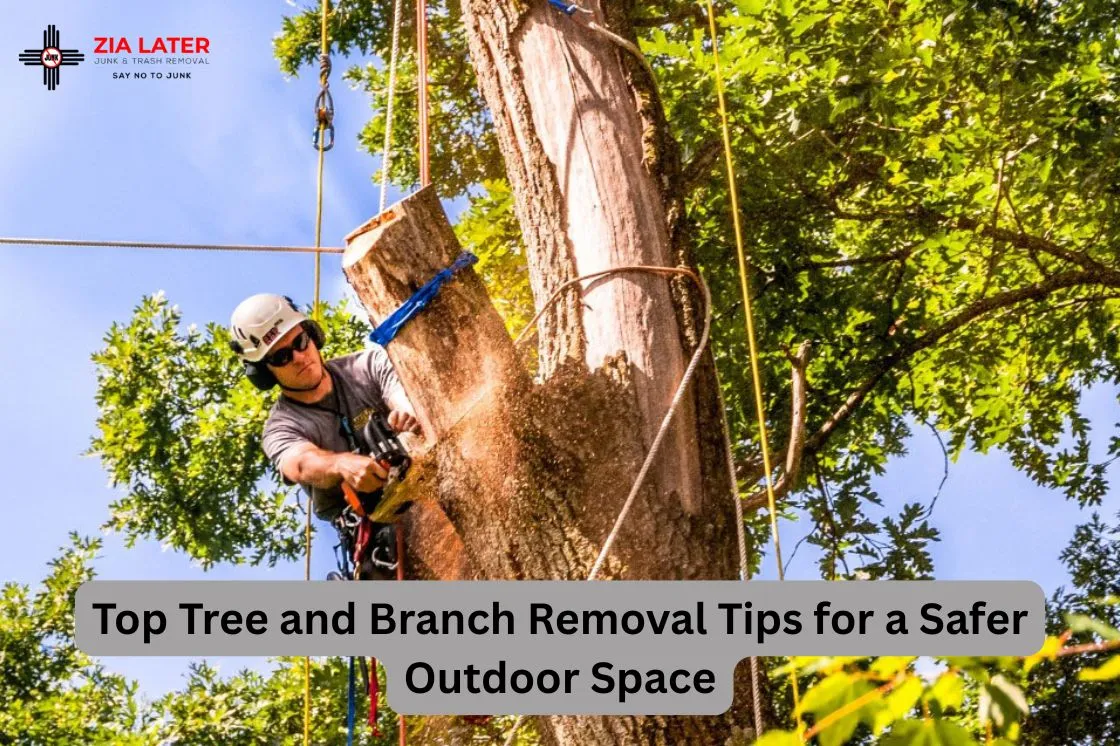
Creating a safe outdoor space requires regular maintenance and attention to potential hazards around your property. Dead branches, overgrown trees, and damaged limbs can pose serious risks to your family, pets, and property. When searching for Tree and Branch Removal near Albuquerque, homeowners need reliable information to make smart decisions about their landscape safety. This comprehensive guide will help you understand when to remove trees and branches, safety considerations, and professional options available in your area.
Identifying Hazardous Trees and Branches
Learning to spot dangerous trees and branches is the first step in maintaining a safe outdoor space. Look for obvious warning signs like dead or dying branches, cracks in tree trunks, or branches hanging over your home, driveway, or walkways.
Dead branches often appear brown or gray and may lack leaves during growing seasons. These branches can fall without warning, especially during storms or high winds. Pay special attention to branches that show signs of disease, pest damage, or structural weakness.
Trees leaning significantly toward buildings or power lines also present serious hazards. While some lean is natural, sudden changes in a tree’s position often indicate root problems or structural damage that requires immediate attention.
When to Remove Trees vs. Pruning
Not every problematic tree needs complete removal. Understanding the difference between situations requiring pruning versus full removal can save you money and preserve valuable shade trees.
Pruning works well for healthy trees with isolated problem branches, minor disease issues, or trees that need shaping for better growth. Regular pruning actually helps trees stay healthy and reduces future hazards.
Complete removal becomes necessary when trees are severely diseased, have extensive root damage, pose immediate safety threats, or are dead or dying. Trees growing too close to power lines, buildings, or other structures may also need removal.
Consider the tree’s age, species, and overall health when making this decision. Young, healthy trees often recover well from pruning, while older trees with multiple problems may be better candidates for removal.
Safety Precautions for DIY Projects
Small pruning jobs on young trees or low branches can be DIY projects, but safety must come first. Never attempt to remove large branches, tall trees, or anything near power lines without professional help.
Always use proper safety equipment including safety glasses, work gloves, hard hats, and sturdy ladders. Check your equipment before each use and replace damaged tools immediately.
Work only in good weather conditions. Avoid tree work during storms, high winds, or when branches are wet and slippery. Plan your cuts carefully and always have an escape route planned in case branches fall unexpectedly.
Never work alone on tree removal projects. Having someone nearby ensures help is available if accidents occur. Keep first aid supplies accessible and know basic emergency procedures.
Professional Tree Removal Services
Many tree removal situations require professional expertise and specialized equipment. Professional arborists have training, insurance, and tools necessary for safe, efficient tree removal.
Look for certified arborists with proper licensing and insurance coverage. Ask for references and check online reviews before hiring any tree service company. Get written estimates from multiple providers to compare pricing and services.
Professional services become essential for large trees, trees near structures or power lines, or situations involving diseased or damaged trees. Experts in Yard Debris and Yard Waste Removal Albuquerque can also handle proper disposal of removed trees and branches.
Understanding Local Regulations
Albuquerque and surrounding areas may have specific regulations about tree removal, especially for large or mature trees. Some neighborhoods have tree preservation ordinances that require permits before removing certain species or sizes of trees.
Contact your local city planning office to understand permit requirements in your area. Homeowner associations may also have rules about tree removal that affect your property.
Violating local tree ordinances can result in significant fines and may require expensive tree replacement. Always check regulations before beginning any major tree removal project.
Proper Disposal Methods
Responsible disposal of removed trees and branches protects the environment and may save you money. Many areas offer recycling programs for tree debris that convert waste into mulch or compost.
Some waste management companies provide special pickup services for large amounts of tree debris. Check with your regular trash service about options and costs for tree waste disposal.
Consider renting a dumpster for major tree removal projects. This option provides convenient, immediate disposal and eliminates multiple trips to disposal sites.
Timing Your Tree Removal
Strategic timing can make tree removal safer, more effective, and less expensive. Late fall through early spring is often the best time for tree removal in most climates.
During dormant seasons, trees have less sap flow, making cutting easier and cleaner. Wildlife is less likely to be nesting in trees during these months, reducing environmental impact.
Avoid tree removal during peak growing seasons unless dealing with emergency situations. Storm damage or immediate safety hazards require prompt attention regardless of timing.
Cost Considerations and Budgeting
Tree removal costs vary significantly based on tree size, location, complexity, and local market rates. Simple pruning jobs may cost a few hundred dollars, while large tree removal can cost several thousand dollars.
Get multiple written estimates and understand what services are included in quoted prices. Some companies include cleanup and disposal, while others charge separately for these services.
Consider the long-term value of professional tree care. Regular maintenance and pruning often prevent the need for expensive emergency removal services later.
Frequently Asked Questions
How do I know if a tree is too dangerous to remove myself?
Never attempt to remove trees taller than 10 feet, trees near power lines, or trees with large branches overhanging structures. If you have any doubts about safety, hire a professional arborist.
What’s the best time of year for tree removal in Albuquerque?
Late fall through early spring is ideal for tree removal in the Albuquerque area. This timing avoids nesting seasons and takes advantage of dormant tree conditions.
Do I need permits to remove trees on my property?
Permit requirements vary by location and tree size. Contact your local planning office to understand specific regulations in your area before removing large or mature trees.
How much does professional tree removal typically cost?
Costs range from $200-$2,000+ depending on tree size, location, and complexity. Get multiple written estimates and ensure companies are licensed and insured.
What should I do with the wood after tree removal?
Options include recycling programs, mulching services, firewood conversion, or dumpster rental. Many communities offer free tree debris pickup during certain times of the year.