
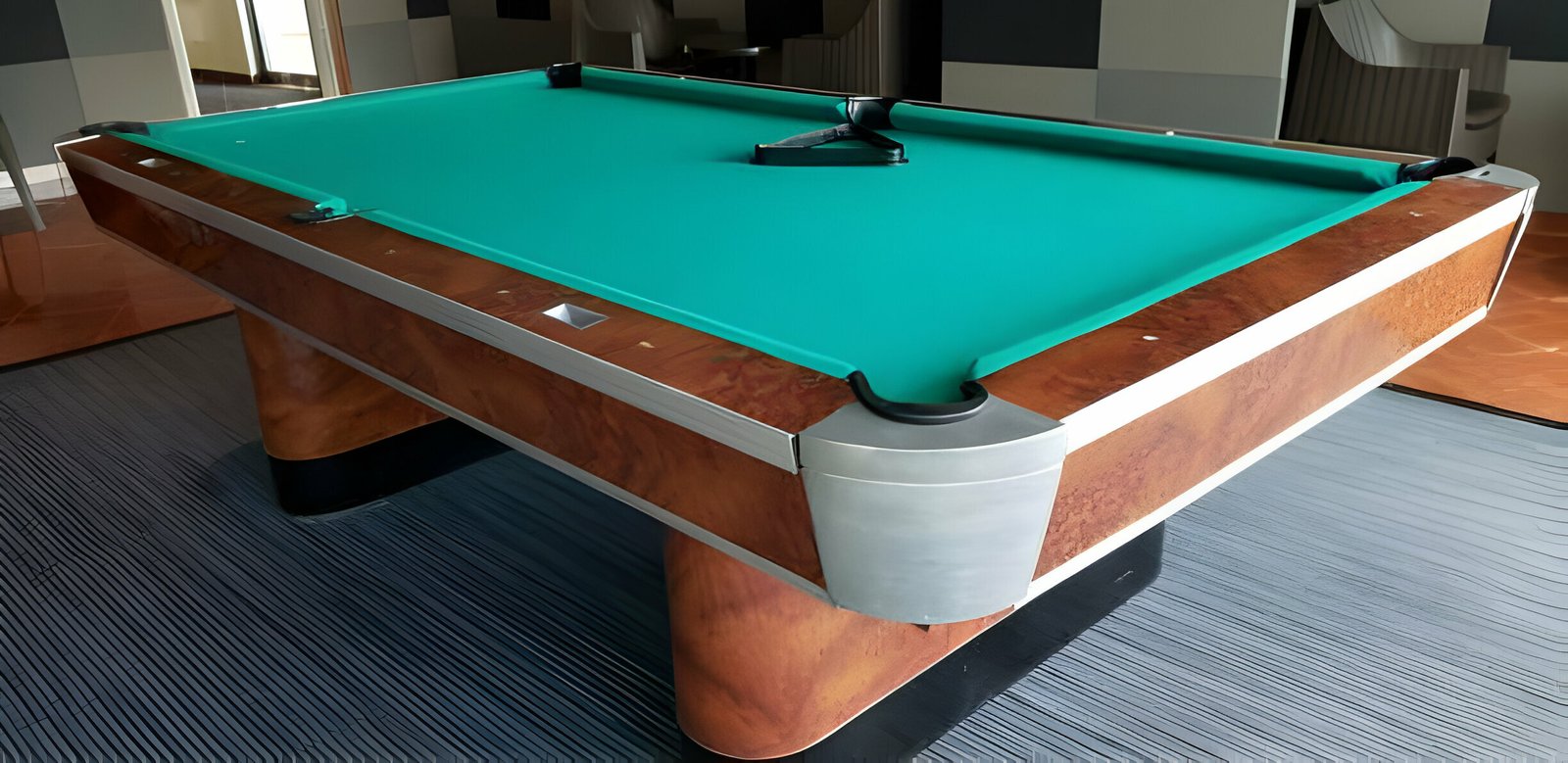
Removing a pool table is not a simple job. It requires careful planning, physical strength, and the right technical knowledge. Because of its heavy structure and delicate components, even small mistakes can lead to damage, injury, or extra costs. Whether you are relocating, selling, or clearing space, understanding the right process is essential for a safe and smooth removal.
Underestimating the Weight and Size
One of the most common mistakes is not realizing how heavy and bulky a pool table actually is. Many tables weigh several hundred kilograms, especially slate models, making them extremely difficult to move without proper preparation.
Solution: Always check the model specifications in advance and arrange enough manpower and lifting equipment such as dollies, straps, and sliders.
Attempting DIY Without Experience
Pool table removal involves more than just lifting it includes careful dismantling of slate, rails, and frame. Without experience, there is a high risk of structural damage.
Solution: If you do not have prior experience, it is strongly recommended to hire trained professionals who understand proper disassembly and transport methods.
Not Protecting Individual Parts
During removal, improper handling can damage the felt, scratch wooden parts, or even crack the slate.
Solution: Wrap each component using moving blankets, foam sheets, or bubble wrap. The slate should always be handled with extra care as it is the most fragile and expensive part.
Ignoring Re-Leveling After Setup
Many people assume the table will be ready to use after reassembly, but this is incorrect. Even slight movement can affect balance and gameplay.
Solution: After installation, the table must be professionally leveled to ensure accurate ball movement and smooth gameplay.
Misplacing Small Hardware Parts
Bolts, screws, and brackets are often lost during disassembly, which can delay or even prevent proper reassembly.
Solution: Keep all small parts organized in labeled bags or containers. This ensures a smooth and efficient reinstallation process.
Poor Planning of Exit Route
One of the most overlooked steps is planning how the table will exit the room or building. Tight corners, stairs, and narrow doors can create serious challenges.
Solution: Measure all pathways in advance and remove obstacles before starting the removal process to ensure a clear and safe route.
Rushing the Entire Process
Trying to complete the job quickly increases the risk of damage to the table, your property, and personal safety.
Solution: Allocate sufficient time for each stage disassembly, packing, transportation, and reassembly. A slow and careful approach ensures better results.
How Much Does Pool Table Removal Cost?
The cost of removing a pool table depends on its size, type, and location. On average, professional services range between $200 and $600. Slate pool tables or difficult access locations such as upper floors may increase the price. In some cases, companies may offer discounted or free removal if the table can be reused or resold.
Professional Pool Table Removal Services
With experience and proper tools, professional removal services ensure safe and damage-free handling. Experts manage the entire process, including disassembly, transport, and reinstallation.
Professional services offer:
- Safe handling of heavy slate tables
- Proper disassembly and reassembly
- Protection of all components
- Efficient and stress-free relocation
Conclusion
Pool table removal requires skill, patience, and proper equipment. Avoiding these common mistakes can save you from costly damage and safety risks. If you are unsure, hiring experienced professionals is always the safest and most reliable option to protect your investment and ensure proper installation at the new location.
ty of your pool table.