
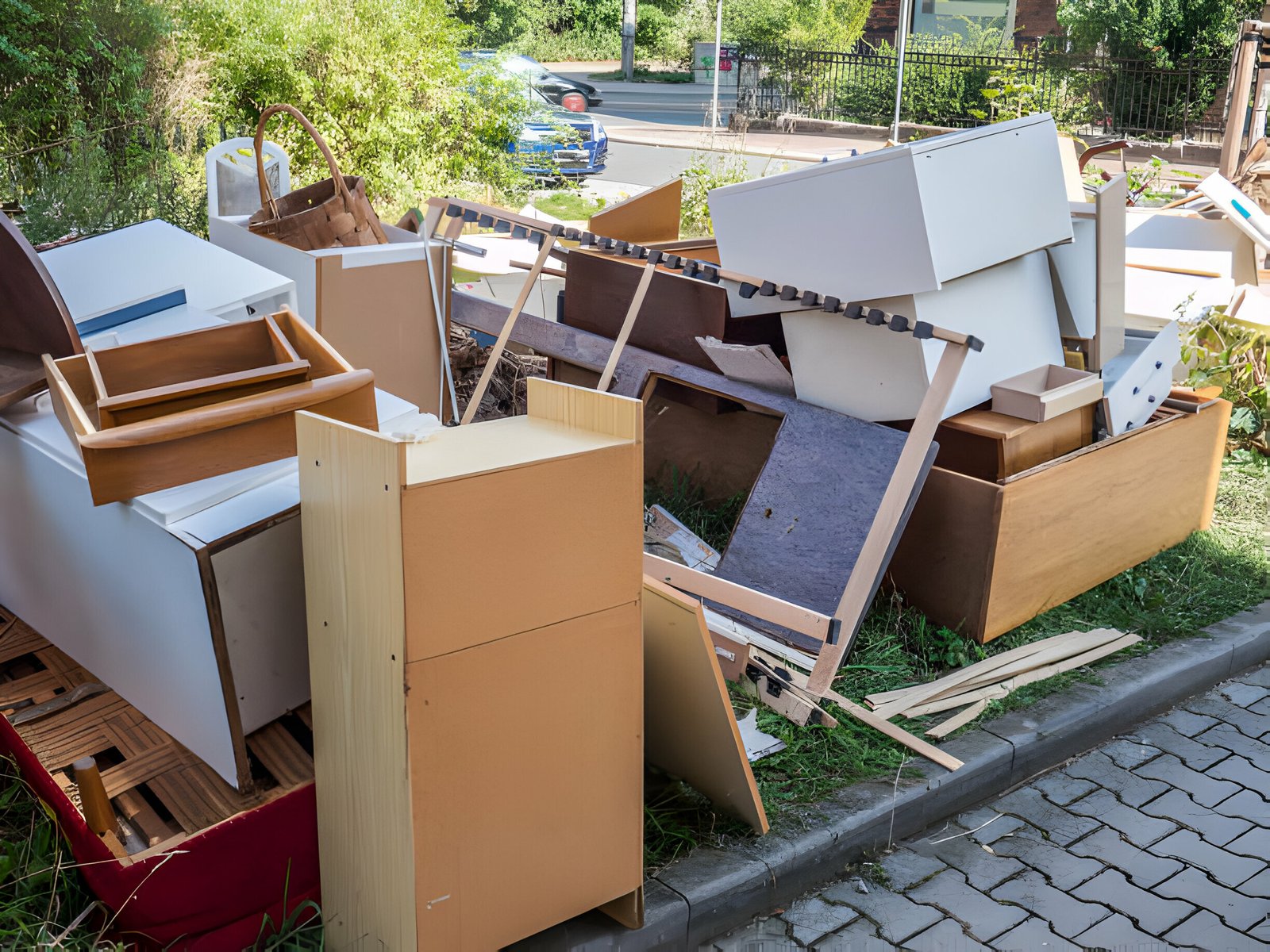
Waste is an unavoidable part of modern urban and industrial life. However, when not managed properly, it can become a serious threat to public health and the environment. Waste cleanup services play a critical role in maintaining hygiene, preventing disease, and ensuring safe living conditions in communities.
Professional waste management is not just about removing garbage it is a structured system designed to protect people, preserve natural resources, and improve overall quality of life.
Understanding the Waste Problem
Different Types of Waste
Waste comes in many forms, including household garbage, industrial waste, construction debris, and hazardous materials such as chemicals or medical waste. Each type requires a specific handling method to ensure safe disposal.
Experienced waste cleanup teams are trained to manage these categories safely, reducing risks to both people and the environment.
Environmental Risks of Poor Waste Management
When waste is not handled properly, it leads to serious environmental damage. Open dumping and improper disposal can pollute soil, water sources, and air quality.
These conditions can quickly spread harmful bacteria and toxins, making entire communities vulnerable to health risks.
Role of Waste Cleanup Services in Public Health
Preventing Disease Spread
Accumulated waste attracts rodents, insects, and bacteria that spread diseases such as dengue, cholera, and gastrointestinal infections. Regular waste collection reduces these risks by eliminating breeding grounds for pests.
Professional cleanup ensures that waste is removed on time, keeping communities cleaner and healthier.
Safe Handling of Hazardous Waste
Certain types of waste contain toxic or dangerous materials. Without proper handling, these substances can contaminate water and soil or cause serious health issues.
Experienced waste management teams use specialized equipment and safety procedures to collect, transport, and dispose of hazardous waste safely.
Protecting Air and Water Quality
Reducing Water Contamination
Improper dumping often leads to harmful chemicals entering rivers, lakes, and groundwater. This can affect drinking water quality and cause long-term health problems.
Waste cleanup services help prevent contamination by ensuring safe disposal methods and controlled waste processing.
Improving Air Quality
Burning waste or allowing it to decompose in open areas releases toxic gases and unpleasant odors. These pollutants can worsen respiratory conditions such as asthma and bronchitis.
Proper waste removal eliminates these risks and supports cleaner air in residential and urban areas.
Supporting Recycling and Sustainability
Resource Recovery
Modern waste cleanup services focus on recycling and material recovery. Items such as plastics, metals, and paper are separated and reused instead of being sent to landfills.
This reduces environmental pressure and conserves natural resources.
Reducing Landfill Waste
By diverting recyclable materials, waste management services help reduce the burden on landfills. This extends landfill life and minimizes environmental damage.
Enhancing Community Wellbeing
Cleaner and Safer Living Spaces
Regular waste removal keeps neighborhoods clean, organized, and free from harmful buildup. This improves both physical safety and mental wellbeing for residents.
Encouraging Responsible Waste Practices
Many professional services also educate communities about proper waste disposal habits. Awareness programs help individuals understand how their actions impact public health.
Choosing the Right Waste Cleanup Service
Compliance and Safety Standards
A reliable waste management service follows environmental regulations and safety protocols. This ensures that waste is handled responsibly at every stage.
Use of Modern Technology
Advanced waste services use modern tools such as smart collection systems, recycling technologies, and efficient transport methods to improve effectiveness and reduce environmental impact.
Community-Focused Approach
The best providers also engage with communities through education and awareness programs, helping people adopt better waste management practices.
Conclusion
Waste cleanup services are essential for protecting public health and maintaining environmental balance. They reduce disease risks, improve air and water quality, and promote sustainable living practices.
By ensuring proper waste collection, safe disposal, and recycling, these services help create cleaner, safer, and healthier communities. Investing in professional waste management is not just a service choice it is a commitment to long-term public wellbeing.