
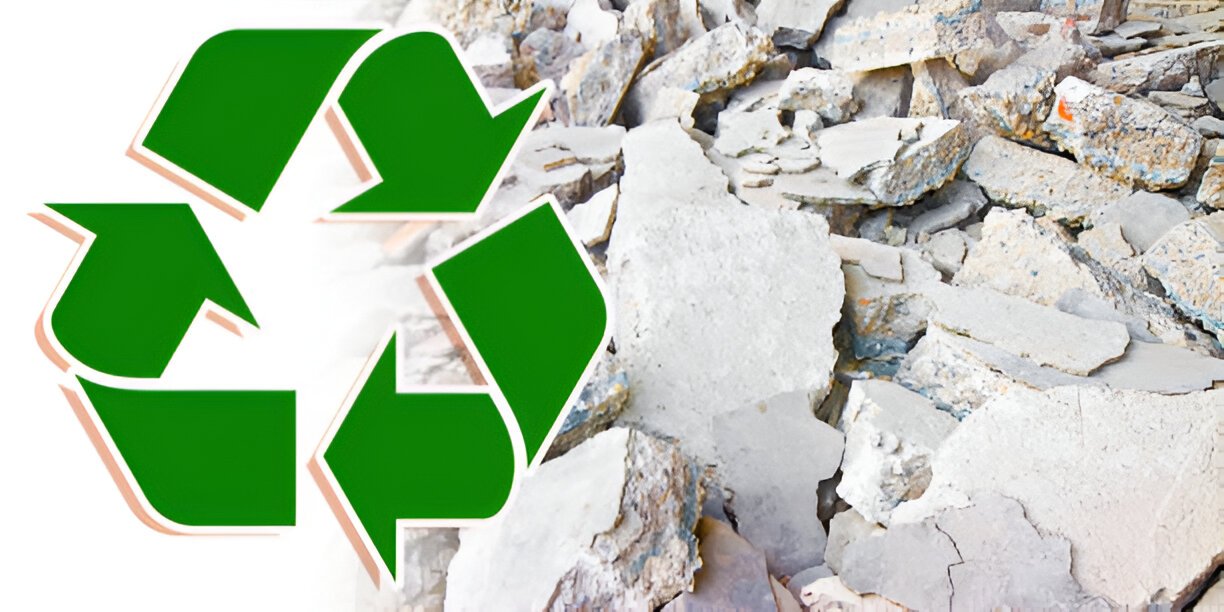
When construction waste builds up, it can cause serious environmental damage. Materials like cement and asphalt are widely used in construction, but improper disposal leads to landfill overflow, soil contamination, and unnecessary resource loss. Eco-friendly concrete and asphalt removal helps reduce this impact while promoting sustainable recycling practices.
Recycling construction debris is not just an environmental choice—it is a practical and cost-effective solution that supports long-term industry sustainability and resource efficiency.
Why Sustainable Construction Waste Management Matters
Construction activities generate large volumes of waste, and cement and asphalt often make up a significant portion. When these materials are discarded improperly, they can block drainage systems, pollute soil layers, and contribute to environmental degradation.
Choosing eco-friendly removal methods helps reduce these risks while encouraging reuse and responsible material handling. It also supports modern construction practices that focus on efficiency, sustainability, and reduced environmental impact.
In addition, recycling reduces the need for virgin raw materials, which helps conserve natural resources and lowers production costs across projects.
Key Benefits of Eco-Friendly Recycling Practices
Save Natural Resources
Recycling construction materials requires significantly less energy compared to producing new materials from scratch, helping preserve natural resources.
Reduce Landfill Pressure
Reusing cement and asphalt prevents large volumes of waste from ending up in landfills, extending landfill lifespan and reducing pollution.
Lower Project Costs
Recycled materials are often more affordable than new ones, making them a cost-efficient solution for construction companies.
Improve Business Reputation
Companies that adopt sustainable practices build stronger trust with clients and communities, improving long-term business credibility and competitiveness.
How to Begin Cement and Asphalt Removal Properly?
Eco-friendly removal requires proper planning and execution. Based on industry experience, successful recycling depends on structured steps.
Step 1: Evaluate Materials
Inspect construction waste to identify which materials can be recycled and which require special handling.
Step 2: Work with Professionals
Hiring experienced removal and recycling experts ensures safe handling, proper sorting, and efficient disposal.
Step 3: Use Certified Recycling Facilities
Transport waste materials to authorized recycling centers that specialize in processing cement and asphalt efficiently.
Early planning helps minimize delays, improve workflow efficiency, and ensure compliance with environmental regulations.
Best Practices for Sustainable Construction Sites
Construction sites can significantly reduce waste through simple but effective practices:
- Plan recycling strategies before starting projects
- Separate cement and asphalt during demolition
- Use low-emission and energy-efficient machinery
- Train workers on proper waste management techniques
These steps improve productivity while reducing environmental impact. Consistent training ensures workers follow eco-friendly practices throughout the project lifecycle.
Cement Recycling Tips
Cement recycling transforms waste into reusable construction material.
Effective methods include:
- Crushing old cement into aggregate for reuse
- Using recycled material for driveways and base layers
- Repurposing material for landscaping or fill projects
These techniques reduce waste while extending the lifecycle of construction materials.
Asphalt Recycling Process and Benefits
Asphalt is one of the most recyclable materials in construction, offering both environmental and financial benefits.
Benefits:
- Highly durable even after recycling
- Lower production cost compared to new asphalt
- Suitable for roads, parking areas, and paving projects
Recycling Steps:
- Carefully remove old asphalt layers
- Transport materials to recycling facilities
- Process and reuse in new construction projects
Recycled asphalt performs effectively while reducing pollution and production costs.
Cement vs Asphalt Recycling Comparison
Cement recycling typically involves crushing and is used for gravel, retaining bases, and landscaping. Asphalt recycling is faster and is widely used for road construction and resurfacing projects.
Both methods reduce landfill waste and conserve resources. Asphalt recycling requires less processing, making it more efficient in many large-scale infrastructure projects. The choice depends on project requirements, material condition, and application type.
Challenges in Sustainable Construction Recycling
Despite its benefits, eco-friendly recycling can face challenges such as:
- Higher initial setup costs
- Limited awareness among workers
- Restricted access to recycling facilities in some regions
These challenges can be managed through proper planning, training programs, and collaboration with experienced recycling professionals.
Conclusion
Eco-friendly concrete and asphalt removal is essential for modern sustainable construction. Recycling these materials helps reduce environmental damage, conserve resources, and lower overall project costs while promoting responsible industry practices.
By adopting green methods, construction companies can improve efficiency and reduce waste while contributing to a cleaner environment. Even small steps toward recycling can create a meaningful long-term impact on sustainability.
If you need professional assistance with concrete or asphalt removal, working with experienced experts ensures safe, efficient, and eco-friendly results. Take action today and choose smarter recycling practices for a more sustainable future.