
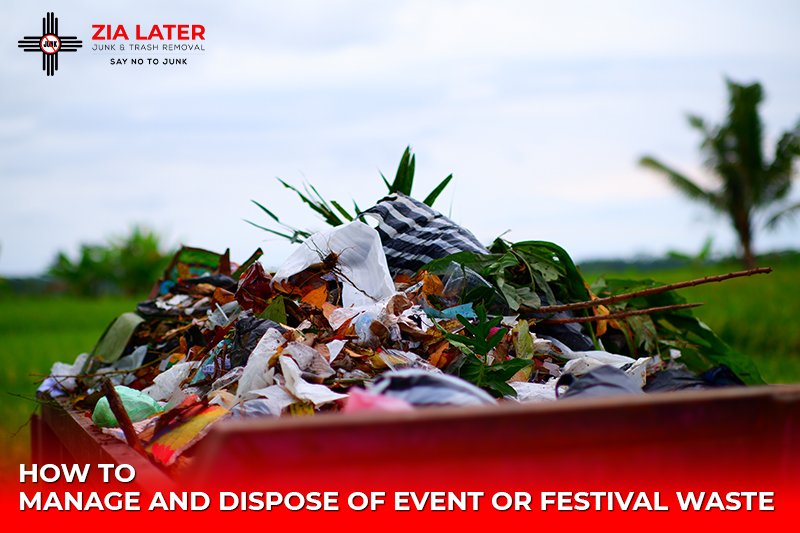
Did you know that more than 7 million tons of waste are generated daily only in the USA? The main part of this waste comes from events. Managing waste on-site effectively is crucial for festival organizers. Many of us have seen the disheartening images that emerge after events. These images depict poor waste management efforts, with fields littered with garbage, discarded tents, and chairs.
If we do not dispose of this waste perfectly, it causes many big problems, such as environmental pollution. This article helps you manage event waste easily and effectively. It explains the top-level methods that help to keep the environment clean.
Planning for Waste Reduction
Effective waste control starts well before the event begins. Event organizers must consider waste management while planning the event structure. Early decisions reduce overall waste and support cleaner event execution.
Make It Part of Event Planning
Waste management should be included in the event setup checklist. This enables teams to prepare more effectively for cleanup and disposal. By considering it early, you also align vendors and volunteers with the process.
- Add waste management to your event plan.
- Choose vendors that support green packaging.
- Discuss waste goals during staff meetings.
- Assign roles for waste control tasks.
Waste planning reduces confusion during the event. When everyone understands their role, waste disposal becomes easier and more effective.
Perform a Pre-Event Waste Audit
An audit clearly shows the types and volumes of waste expected. This helps in placing bins, hiring services, and planning disposal routes.
- Walk through the venue and identify areas with high waste generation.
- Estimate the types of waste: food, plastic, and paper.
- Identify vendor waste output.
- Record past event data for reference.
Pre-audit results help create a targeted plan. Knowing your waste allows better resource use and less last-minute panic.
Estimate the Volume and Types of Waste
Events produce many kinds of waste. Estimating the types and volume beforehand helps select the correct bins, signage, and services.
- Track the number of attendees expected.
- Count food stalls and packaging items.
- Consider overnight stays and camping supplies.
- Plan for emergency or unexpected trash.
Volume estimates ensure the event has the right capacity for waste control. This avoids overflow and supports smoother cleanup.
Smart Waste Setup during the Event
Waste control works best with a smart setup. Placement, visibility, and guidance all matter. Proper setup makes it easier for attendees to dispose of waste responsibly.
Place Waste Stations in High-Traffic Zones
Position waste bins where they are most needed. Crowd areas often generate the most trash. Make it easy for guests to find and use waste points.
- Place bins near entrances and exits.
- Add stations around food and drink stalls.
- Ensure placement near restrooms.
- Avoid placing bins in hidden spots.
Proper placement ensures more people use the bins. It prevents littering and keeps the event space cleaner.
Provide Visual Signage with Examples
Signs guide users and improve sorting accuracy. Clear signs prevent mixing trash types and make recycling more successful.
- Use bright colors to show waste types.
- Add photos of sample items to bins.
- Include simple words and symbols.
- Post signs above and on the bins.
When signage is clear, guests make fewer mistakes. It makes managing event trash less stressful.
Keep Bin Areas Clean and Monitored
Clean bins attract more users. Assign people to keep them in good shape. This keeps waste from spilling and reduces odor.
- Assign volunteers or cleaning staff.
- Empty bins regularly before they overflow.
- Keep the area around bins neat and dry.
- Report broken bins for repair or replacement.
Bin cleanliness improves usage. It also encourages attendees to respect the environment and the space.
Sustainability-First Strategies
Modern events must aim for greener practices. Sustainable strategies lower waste output and protect local surroundings. Small changes can have a big impact.
Partner with Eco-Friendly Vendors
Choose vendors who use less plastic and eco-safe items. Their cooperation makes a major difference in total event waste.
- Ask vendors to use compostable plates and cups.
- Avoid foam and plastic packaging.
- Request minimal wrapping for items.
- Share your waste goals with them early.
Eco vendors help reduce bulk waste. Their products simplify recycling and composting.
Limit Single-Use Items
Single-use items generate huge trash loads. Replace them with options that last or can be reused easily.
- Use reusable dishes and cutlery.
- Provide water stations instead of bottled drinks.
- Avoid giveaways with plastic packaging.
- Rent items like chairs and linens instead of buying.
Replacing single-use tools cuts costs and trash. It also promotes mindful behavior from attendees.
Paperless Promotions
Digital options reduce the need for printed materials. Paperless solutions improve outreach while cutting waste.
- Use QR codes instead of flyers.
- Promote through emails and apps.
- Share updates via social media.
- Skip printed maps or guides.
Going paperless limits trash during and after the event. It keeps spaces tidy and technology-driven.
Educate Attendees Pre-Event
Let people know your waste goals ahead of time. Informed attendees help more and litter less.
- Send emails before the event.
- Share tips on social channels.
- Highlight waste rules on the ticket page.
- Display banners at the entry gates.
Education encourages cooperation. It builds awareness and leads to smoother trash control.
Post-Event Waste Removal Process
What happens after the event matters just as much. A cleanup plan ensures no waste is left behind and helps return the site to a better state.
Schedule Professional Event Waste Removal
Hire services to handle large volumes. Pros work faster and know how to sort correctly.
- Book a dumpster or waste truck in advance.
- Choose companies with recycling support.
- Assign team leads for removal tasks.
- Time pickups are based on event closure.
Professional help ensures quick site clearance. It lowers the burden on organizers and keeps the space clean.
Separate and Secure Leftover Waste Streams
Sort trash properly after the event. Secure bins and areas so animals or weather don’t scatter waste.
- Label post-event collection bins.
- Store full bins away from guests.
- Cover open dumpsters or piles.
- Avoid dumping near drains or open soil.
Proper separation helps reduce cleanup time. It also aids in recycling and composting efforts.
Conduct a Post-Event Waste Audit
Review how your plan performed. Track what worked and what needs to change. Use the audit for future events.
- Count bags or bins per waste type.
- Check contamination in recycling bins.
- Ask volunteers for feedback.
- Create a simple report.
Audits build stronger waste plans. They guide improvements and show accountability.
Report Sustainability Metrics to Stakeholders
Showcase your efforts and share results with partners, guests, and vendors. This builds trust and promotes green events.
- Share recycling rates.
- Highlight waste reduction stats.
- Send a summary to vendors.
- Use graphics and charts for clarity.
Reporting closes the loop. It tells others that waste management at events is both possible and practical.
Your Event Deserves a Clean Finish
Leave no waste behind and let your event shine for the right reasons. Our expert team provides fast and efficient event waste removal services that meet your needs. Whether you need bins, cleanup crews, or vendor coordination, we have got it covered. Contact us today and explore the easiest way to manage event waste with confidence and care.
Conclusion
Learning how to manage event waste does not have to be hard. With smart planning and a little support, you can create clean, safe, and fun spaces. Your steps help protect nature and make your event more enjoyable. Apply these strategies and become part of a cleaner event in the future. One choice at a time makes the biggest difference.