
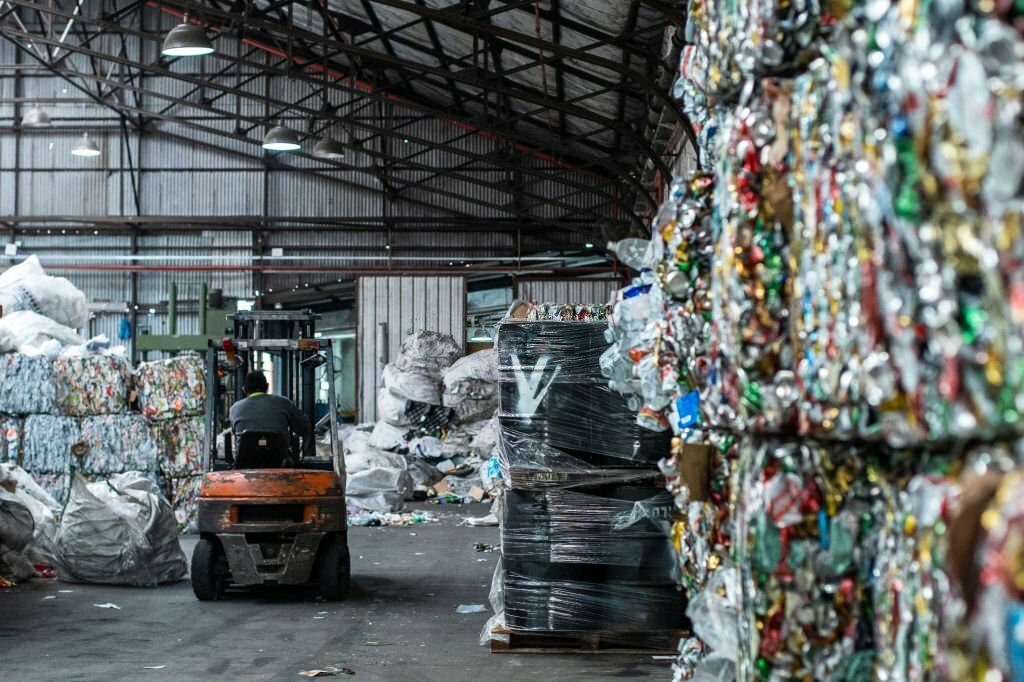
New Mexico Recycling Centers play an important role in protecting the environment and supporting sustainable waste management. Recycling helps collect used materials and convert them into reusable products, reducing landfill waste and conserving natural resources. This process lowers environmental pressure, reduces pollution, and supports a cleaner and healthier future for coming generations.
By using organized systems and modern recycling methods, the state ensures that waste is processed efficiently and turned into valuable materials that benefit both the environment and the economy.
Importance of Safe Recycling Centers
Safe recycling centers are essential for protecting both people and the environment. These facilities handle waste responsibly while maintaining strict safety standards for workers and nearby communities.
Well-designed centers help reduce risks such as fire hazards, chemical exposure, and contamination from dangerous materials. Proper training and protective equipment allow workers to safely manage different types of waste, ensuring smooth and secure recycling operations.
Regulatory Landscape
Environmental Regulations
New Mexico enforces strong environmental laws to ensure recycling facilities operate safely. These regulations focus on protecting air quality, soil health, and water resources.
Recycling centers must follow clear rules regarding emissions, waste handling, and storage systems. These guidelines help reduce environmental damage and ensure surrounding communities remain safe.
Safety Standards for Recycling Centers
Recycling facilities follow strict safety procedures to protect workers. These include proper use of protective equipment, safe waste handling, and continuous staff training programs.
Hazardous materials such as sharp objects and toxic waste are stored separately and handled carefully. Workers use gloves, masks, and boots to reduce injury and exposure risks.
Compliance and Monitoring
Regular inspections ensure recycling centers follow environmental and safety regulations. Authorities check for leaks, unsafe equipment, and improper storage.
If violations are found, immediate corrective action is required. Continuous monitoring helps maintain high standards and strengthens public trust in recycling systems.
Location and Infrastructure
Geographic Distribution of Recycling Centers
Recycling centers are spread across New Mexico to ensure easy access for residents. This reduces travel distance, lowers fuel consumption, and encourages recycling participation.
Closer facilities help reduce landfill waste and improve environmental outcomes.
Facility Infrastructure and Design
Modern recycling centers use advanced equipment and efficient layouts to improve processing speed. Wide sorting areas and conveyor systems allow smooth waste handling.
Many facilities also use solar energy and water recycling systems to reduce environmental impact.
Accessibility and Community Impact
Recycling centers are often located near homes, schools, and commercial areas to make waste disposal convenient. Some facilities also assist elderly residents and people without transport.
This accessibility increases community participation and promotes cleaner neighborhoods.
Types of Recyclables Handled
Paper and Cardboard Recycling
Paper materials such as newspapers, boxes, and packaging are collected and turned into new paper products. This reduces deforestation and supports sustainable production.
Plastic Recycling
Plastic waste is a major environmental issue due to slow decomposition. Recycling centers clean and process plastics into reusable materials, reducing pollution.
Metal and Glass Recycling
Metals like aluminum and steel, along with glass containers, are melted and reshaped into new products. This saves energy and reduces raw material extraction.
Electronic Waste Handling
Electronic waste such as phones and computers is carefully dismantled. Valuable parts are recovered, while harmful components are safely processed.
Technology Integration
Innovations in Recycling Technology
Modern recycling centers use infrared scanners and automated sorting systems. These tools improve accuracy and speed in separating materials.
Automation for Efficient Sorting
Robotic systems help sort waste quickly and reduce human error. Automation improves efficiency and supports safer operations.
Environmental Impact of Technology
New technologies reduce energy use and emissions. Many facilities rely on solar energy and filtration systems for cleaner operations.
Challenges and Solutions
Common Challenges
Recycling systems face issues such as contaminated waste, low awareness, and unstable market demand for recycled materials.
Innovative Solutions
Education programs and community outreach help improve public participation. Automation and digital systems also improve sorting efficiency.
Economic Barriers
Recycling can be expensive due to equipment costs. Government support and partnerships help reduce financial pressure.
Future Trends
Emerging Technologies
Artificial intelligence and smart sensors are improving recycling speed and accuracy.
Policy Changes
Environmental regulations are expected to become stricter, encouraging better waste management practices.
Future Developments
Future recycling centers will include more renewable energy systems and advanced automation.
Environmental Benefits
Reduced Landfill Waste
Recycling reduces landfill use and helps protect land from pollution.
Energy Savings
Recycled materials require less energy than raw material production.
Cleaner Air and Water
Recycling reduces emissions and prevents pollution in water systems.
Final Thoughts
New Mexico Recycling Centers are essential for environmental protection and sustainable development. With strong regulations, modern systems, and advanced technology, these facilities transform waste into valuable resources.
By reducing landfill use, saving energy, and improving environmental quality, recycling centers help create a cleaner and healthier future for the state and its communities.