
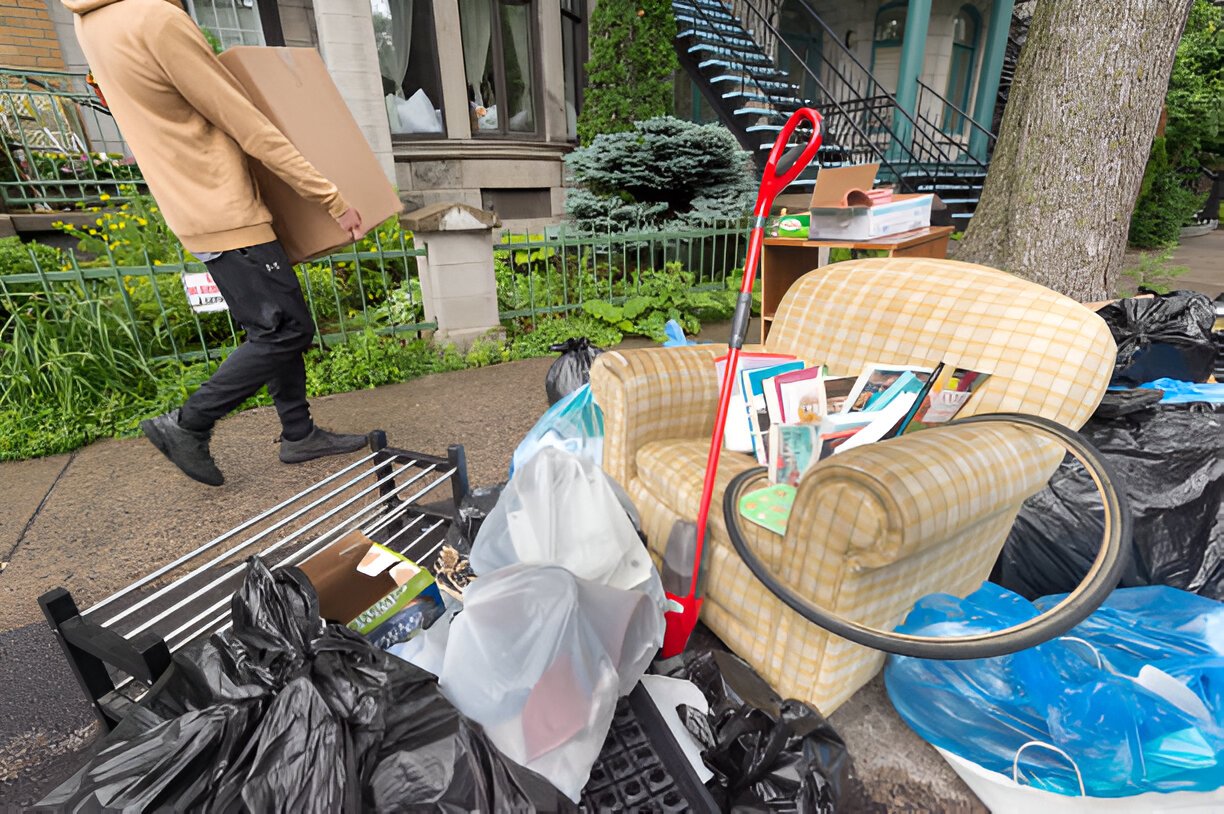
Hoarding is more than excessive clutter or disorganization. It is a clinically recognized psychological condition that causes persistent difficulty discarding possessions, regardless of their actual value or usefulness. Over time, this condition can severely affect a person’s living environment, creating unsafe, unhealthy, and emotionally distressing conditions.
For individuals struggling with hoarding behaviors, as well as families and caregivers trying to help, the situation often becomes overwhelming. Emotional attachment, fear of loss, safety risks, and large volumes of items make it difficult to know where to begin. Professional hoarding cleanup services provide structured, compassionate, and non-judgmental support to restore safe, functional, and healthy living environments.
Emotional Challenges of Hoarding Behavior
Hoarding is closely linked to emotional and psychological factors such as anxiety, trauma, grief, and difficulty with decision-making. Many individuals form strong attachments to possessions, believing they represent memories, identity, or security.
Common emotional challenges include:
- Severe anxiety during cleanup discussions or attempts
- Fear of making irreversible decisions or regret
- Difficulty letting go of possessions
- Feelings of shame, embarrassment, or isolation
- Emotional overwhelm during organizing tasks
Because of these factors, hoarding is not simply a cleaning issue. It requires patience, understanding, and emotional support. Professional hoarding cleanup specialists are trained to approach these situations with empathy and respect, guiding individuals through decisions at a manageable pace while preserving dignity.
Health, Safety, and Environmental Risks in Hoarded Homes
Hoarded environments can create serious health and safety risks as clutter builds up and restricts normal living conditions.
Common hazards include:
- Mold growth and poor indoor air quality
- Pest and rodent infestations
- Blocked exits and walkways
- Fire hazards from accumulated materials
- Structural strain due to excessive storage
- Higher risk of slips, trips, and falls
Professional hoarding cleanup teams use protective equipment and safe removal methods to restore a livable environment. Their focus is to reduce hazards while ensuring safety throughout the process.
Step-by-Step Structured Cleanup Process for Manageable Progress
One of the biggest challenges in hoarding cleanup is the overwhelming amount of items. Without structure, progress can feel impossible.
Professionals Hoarding Cleanup use a step-by-step approach that divides the work into smaller sections. Instead of clearing everything at once, the space is handled in phases to ensure steady progress.
Items are sorted into:
- Keep: essential or meaningful items
- Donate: usable items for reuse
- Recycle: recyclable materials
- Dispose: damaged or unsafe items
This method reduces emotional stress and decision fatigue while allowing individuals to stay involved and maintain control over their belongings.
Role of Family Support in Hoarding Recovery
Family support can play an important role in recovery, but it can also be difficult without proper guidance. Loved ones often want to help but may not know how to approach the situation without causing conflict.
Professional hoarding cleanup services help guide families by promoting healthy communication and constructive involvement. This includes setting boundaries, reducing pressure, and offering supportive participation. When handled properly, family involvement can improve cooperation and long-term recovery outcomes.
Importance of Professional Assessment Before Cleanup
Before cleanup begins, a proper assessment is essential. Every hoarding situation varies in severity, safety risks, and emotional complexity.
During assessment, professionals identify hazards, structural concerns, and emotional triggers. This allows them to develop a safe and effective cleanup plan. Proper planning ensures the process is controlled, efficient, and minimizes emotional distress while preparing the right tools and strategy.
Long-Term Organization and Prevention of Future Hoarding Patterns
Effective hoarding cleanup is not only about removing items. It also focuses on preventing relapse and maintaining long-term stability.
Many services collaborate with mental health professionals to support lasting change.
Long-term support may include:
- Simple home organization systems
- Practical storage solutions
- Follow-up or maintenance visits
- Decision-making guidance
- Coordination with therapists or support networks
The goal is to build sustainable structure so the home remains safe, functional, and clutter-free over time.
Conclusion
Living in a hoarded environment can feel stressful and overwhelming, but recovery is possible with the right professional support.
Professional hoarding cleanup services provide a structured and compassionate path toward restoring safety and order. By combining emotional understanding with practical expertise, they help individuals and families move from chaos toward clarity.
Taking the first step is often the hardest, but also the most important. With professional guidance, even heavily cluttered homes can be transformed into safe, clean, and functional living spaces—restoring comfort, control, and peace of mind in daily life.